Disaster Relief & Humanitarian Response
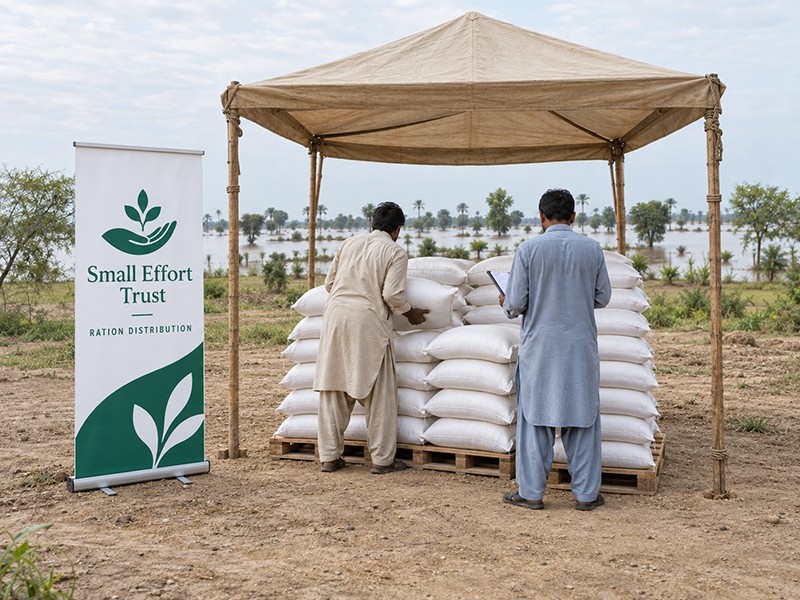
Emergency food assistance during COVID-19 and the floods — our single largest programme.
PKR 58.9M
21% of spend
Read more →
Working in Pakistan since 2017, without ethnic, religious or political boundary.
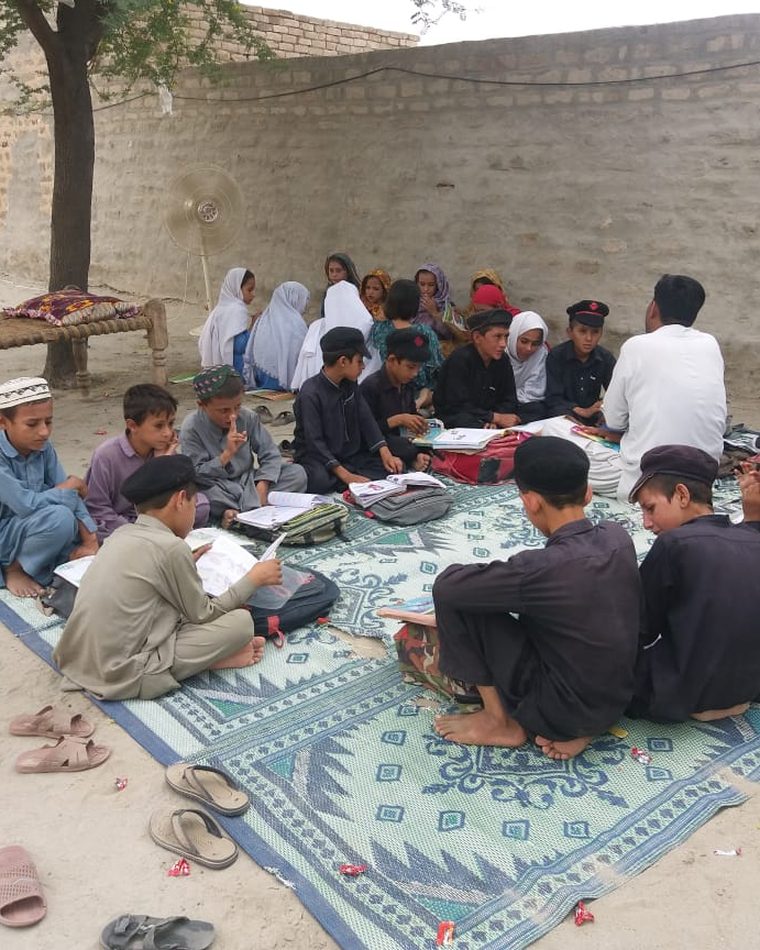
Small Efforts Trust is a non-profit charitable organisation working in Pakistan since 2017. We improve the lives of vulnerable communities through sustainable development and humanitarian initiatives addressing poverty, education, healthcare and water scarcity.
Pakistan faces significant socio-economic challenges, particularly among low-income households in rural and underserved urban areas. The Trust was established to reduce vulnerability and empower communities through a combination of immediate support and long-term solutions.
We are registered under the Charities Act 2021 and audited every year, with full financial statements published.
Our approach
“Implement sustainable development programmes to raise living standards of people of Pakistan.”
“To form a community where everyone lives a satisfied life.”
Our footprint covers Punjab, Khyber Pakhtunkhwa, Balochistan and Rawalpindi / Islamabad. Named locations in our project record include Sheikhupura, Lahore, Sialkot, Gujranwala and Jhelum in Punjab; Mardan in Khyber Pakhtunkhwa; and Murree and Potha Village near the capital.
We answer these with community engagement, beneficiary verification, regular monitoring visits, transparent financial management and collaboration with local partners.
Across all programme expenditure to date, administration accounts for PKR 8,656,965 of PKR 284,088,960 — just over 3%. The remaining 97% went directly to programmes.
These are cumulative programme-level figures supplied by the Trust covering work since 2017, not a single financial year, and should not be read as an annual total unless confirmed against the audited statements.
Trustee names, roles and biographies to be added — pending from the Trust.
Our work
Emergency food assistance during COVID-19 and the floods — our single largest programme.
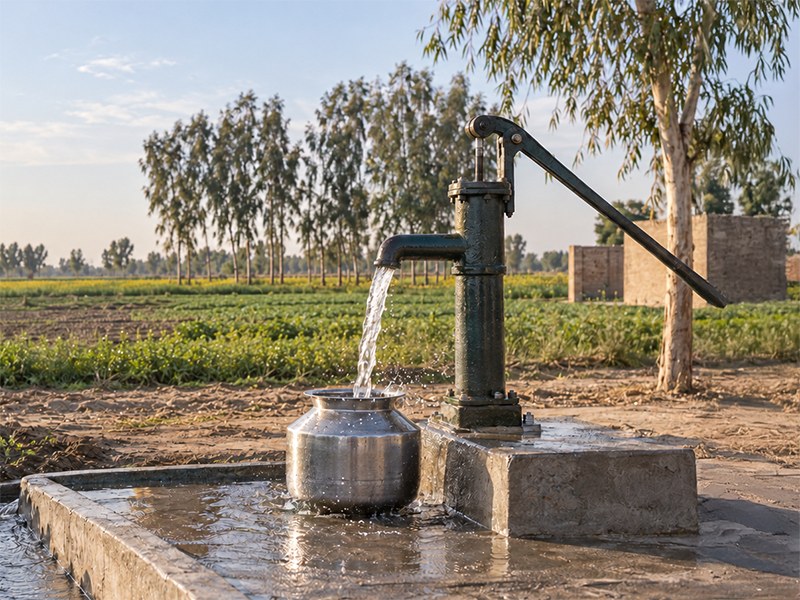
540 hand pumps installed to date, serving roughly 32,000 families across Pakistan.
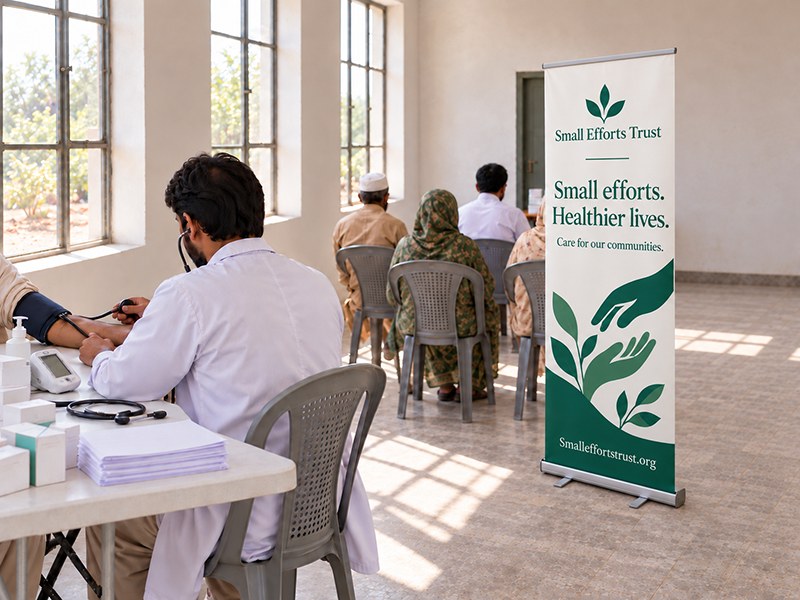
Roughly 12,000 patients supported every year, with treatment costs that would otherwise go unpaid.